The Phoenix Project: Rebuilding Trust After the Appraisal Apocalypse
Jan 21, 2026
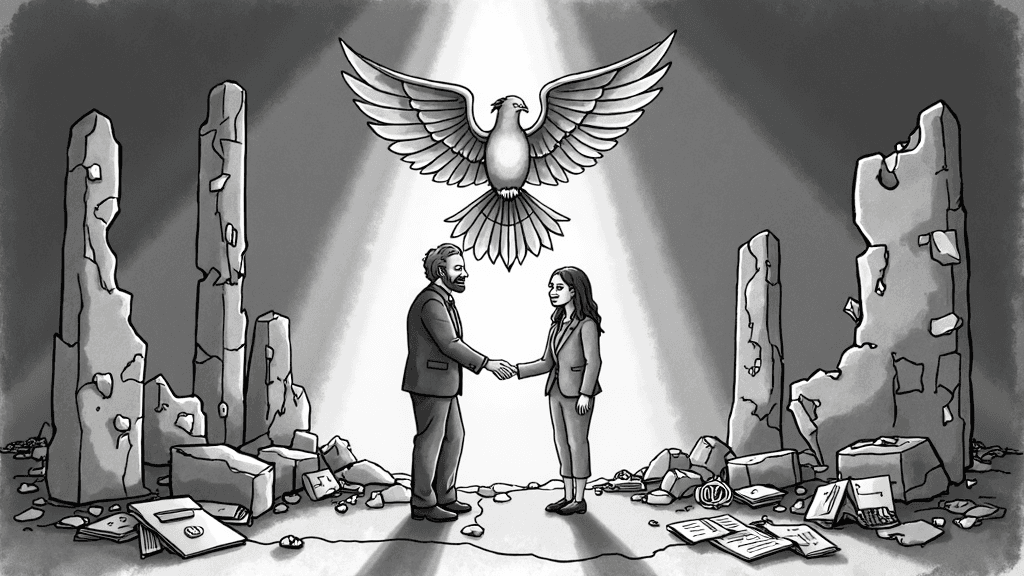
The war is over. The zombie appraisal has been dismantled, its rating-brain destroyed, and its bonus-heart replaced with the intrinsic cure of autonomy, mastery, and purpose. The psychological fortress has been built. But as the dust settles, we face the most profound challenge of all: leading the survivors.
This is not a moment for celebration; it is a moment for reflection. The war against the undead has left scars. Our people are weary, cynical, and their trust has been eroded. Without trust, our new, more human-centred world cannot be sustained. The zombies will return.
In this final chapter, we confront the ultimate boss: the Zombie Leader. This is the manager who survived by becoming one of the undead—a leader in title only, going through the motions without the human spark of empathy. We will expose this final threat and reveal the ultimate weapon to defeat it: Empathetic Leadership.
The Final Boss: The Zombie Leader
The Zombie Leader is the ghost in the machine of our old performance management system. They are a product of a culture that valued process over people. Their defining characteristics are a lack of empathy and an inability to build trust.
They Hear, But They Do Not Listen: They conduct 1-on-1s like a checklist, listening for information, not for meaning.
They Direct, But They Do Not Connect: Their communication is transactional, not transformational. They cannot inspire because they are not inspired.
They Manage the Work, But Not the Wellbeing: They are focused on tasks and metrics, uncomfortable with the messy reality of human emotions.
In the fragile ecosystem of a post-apocalyptic workplace, the Zombie Leader is a lethal threat. They cannot create the psychological safety needed for the intrinsic cure to work. They must be transformed or replaced.
The Ultimate Weapon: Empathetic Leadership
The antidote to the Zombie Leader is Empathetic Leadership. This is the discipline of connecting with the humanity of your people. It is built on three actionable behaviours:
Active Listening: The discipline of listening to understand, not just to respond. It means being fully present and listening not just for words, but for the emotions behind them.
Perspective-Taking: The cognitive skill of stepping outside your own experience to see the world from another’s point of view. It is the antidote to judgment.
Acknowledging Vulnerability: The most powerful way to build trust is to demonstrate it. When leaders say, “I don’t know,” or “I made a mistake,” they signal that it is safe for others to be human, too.
Rebuilding the World: The Four Pillars of Trust
Empathy is the weapon, but the goal is to rebuild trust. Trust is the currency of the new world. It is built on four key pillars:
Predictability & Consistency: Do you do what you say you will do? Are the rules the same for everyone?
Transparency: Are you open and honest, especially about the “why” behind decisions?
Benevolence: Do you genuinely care for the wellbeing of your people as human beings?
Competence: Are you good at your job and committed to helping your team succeed?
Trust is built through the consistent demonstration of these behaviours over time. There are no shortcuts.
The Thriving Community
This is the end of our journey. We have moved from the darkness of the zombie apocalypse to the dawn of a new world where the appraisal is a tool for development, not judgment. This is not a utopian fantasy; it is a strategic choice to build an organisation that is not just resilient, but deeply human. The zombies are gone. The survivors are looking to you. What will you build?
Reflection Questions
For the Executive:
How do we currently select and promote leaders? Are we optimising for empathy and trust-building?
What are we doing to support the emotional wellbeing of our leaders?
How can we create rituals that celebrate acts of empathetic leadership?
If we were to ask our employees to describe our leadership culture in three words, would “trustworthy” be one of them?
What is one systemic barrier to trust in our organisation that I have the power to remove?
How can we make the development of empathy a core competency in our leadership programs?
For the Manager:
On a scale of 1-10, how much do I believe my team trusts me? How would I know?
In my next 1-on-1, what is one question I can ask to practice my perspective-taking skills?
When was the last time I shared a personal story or a moment of vulnerability with my team?
How can I be more intentional about demonstrating benevolence and showing my team I care about them as people?
What is one action I can take this week to be more predictable and consistent in my leadership?
Do I see myself as a “manager” or a “leader”? What is the difference?
For the Team Member:
What does a leader who I truly trust look and feel like?
What is one thing my manager could do to earn more of my trust?
How can I contribute to a more trusting and empathetic environment on my team?
When I have a concern, do I feel comfortable raising it with my manager? Why or why not?
How can I practice empathy and perspective-taking with my colleagues?
What is one small risk I can take to be more vulnerable with my team or manager to build trust?